Let’s talk honestly about what causes menstrual irregularities, how lifestyle factors like stress and travel play a role, and when it’s time to seek guidance from healthcare professionals, including the Best Gynecologist in West Godavari if you’re in that region.
What Are Menstrual Irregularities?
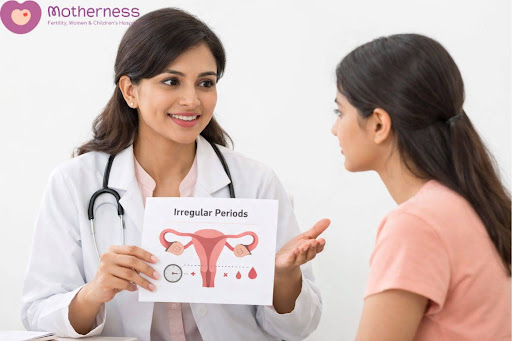
First, let’s get clear on what we mean by “irregular periods.” A typical menstrual cycle lasts between 21 to 35 days, with bleeding lasting anywhere from 2 to 7 days. However, every woman’s body is different, and what’s regular for you might not be the same as your friends or family members.
Menstrual irregularities can include:
- Periods that come earlier or later than expected
- Skipped periods (amenorrhea)
- Extremely heavy bleeding (menorrhagia)
- Very light periods
- Bleeding between periods
- Severe cramping or pain
- Cycles that vary significantly in length from month to month
If you’re experiencing any of these patterns consistently, it’s worth paying attention to what your body is trying to tell you.
The Stress Connection: How Your Mind Affects Your Cycle
Have you ever noticed your period going haywire during exam season or when you’re dealing with family issues? There’s a real biological reason for this. Stress is one of the most common culprits behind menstrual irregularities, and understanding this connection can be empowering.
When you’re stressed, your body releases a hormone called cortisol. Think of cortisol as your body’s alarm system. In small doses, it helps you respond to challenges. But when stress becomes chronic, elevated cortisol levels can interfere with the delicate hormonal balance that regulates your menstrual cycle.
Here’s what happens: your brain contains a small region called the hypothalamus, which acts like the control center for your reproductive hormones. When cortisol floods your system during stressful times, it can disrupt the hypothalamus’s ability to regulate the hormones that trigger ovulation and menstruation. The result? Delayed periods, missed cycles, or irregular bleeding patterns.
Different types of stress can affect your cycle in various ways:
Academic Stress: College exams, assignment deadlines, and the pressure to perform can all throw your cycle off track. Many young women notice their periods becoming irregular during particularly intense study periods.
Emotional Stress: Relationship difficulties, family conflicts, or grief can significantly impact your menstrual health. Your emotional wellbeing and physical health are deeply connected.
Physical Stress: Overexercising, inadequate sleep, or sudden changes in your physical routine can also be interpreted as stress by your body, potentially affecting your cycle.
If you’re consistently experiencing stress-related menstrual changes, it might be helpful to speak with the Best Gynecologist in West Godavari or a healthcare provider in your area who can help you develop strategies to manage both stress and menstrual health.
Travel and Your Period
Planning a trip and worried about your period? Or perhaps you’ve returned from travel only to find your cycle has gone completely off schedule? Travel-related menstrual irregularities are surprisingly common, and several factors contribute to this phenomenon.
Time Zone Changes: When you cross multiple time zones, your body’s internal clock (circadian rhythm) gets disrupted. This biological clock doesn’t just control when you sleep; it also influences hormone production. Jet lag can temporarily confuse your hypothalamus, leading to delayed or irregular periods.
Changes in Routine: Travel often means different sleep schedules, meal times, and activity levels. Your body thrives on routine, and sudden changes can trigger hormonal fluctuations that affect your menstrual cycle.
Travel Stress: Even exciting vacations come with stressors like packing, navigating airports, managing itineraries, and adapting to new environments. As we discussed earlier, stress directly impacts your cycle.
Dietary Changes: Trying new foods, eating at different times, or not having access to your usual meals can affect your hormonal balance. Some women find that dietary changes during travel contribute to menstrual irregularities.
Physical Activity: Whether you’re walking significantly more while sightseeing or being less active during a relaxing beach vacation, changes in exercise patterns can influence your cycle.
Most travel-related menstrual changes are temporary. Your cycle typically returns to normal within one to two months after you’re back to your regular routine. However, if irregularities persist, consulting with the Best Gynecologist in West Godavari can help rule out other underlying causes.
Other Health Factors That Affect Your Menstrual Cycle
While stress and travel are common triggers for menstrual irregularities, several other health factors can play a role. Understanding these can help you identify patterns and seek appropriate care when needed.
Weight Changes: Significant weight loss or gain can disrupt your hormonal balance. Fat cells produce estrogen, so dramatic changes in body fat percentage can affect your cycle. This is why women with eating disorders or those who undergo rapid weight changes often experience amenorrhea.
Polycystic Ovary Syndrome (PCOS): This common hormonal disorder affects approximately 1 in 10 women of reproductive age. PCOS can cause irregular periods, excessive hair growth, acne, and weight gain. If you suspect PCOS, seeking guidance from the Best Gynecologist in West Godavari is important for proper diagnosis and management.
Thyroid Disorders: Your thyroid gland regulates metabolism and hormonal balance throughout your body. Both hypothyroidism (underactive thyroid) and hyperthyroidism (overactive thyroid) can cause menstrual irregularities.
Medications: Certain medications, including hormonal birth control, antidepressants, and blood thinners, can affect your menstrual cycle. Always discuss potential side effects with your healthcare provider.
Sleep Patterns: Consistent, quality sleep is crucial for hormonal regulation. Women who work night shifts or have irregular sleep schedules often experience menstrual irregularities.
Excessive Exercise: While regular exercise is healthy, overtraining without adequate rest and nutrition can suppress ovulation and lead to missed periods. This is particularly common among athletes.
When Should You Seek Medical Advice?
While occasional menstrual irregularities are usually nothing to worry about, certain situations warrant professional medical evaluation. You should consider consulting the Best Gynecologist in West Godavari or another healthcare provider if you experience:
- Periods that have stopped completely for three months or more (and you’re not pregnant)
- Extremely heavy bleeding that requires changing pads or tampons every hour
- Periods lasting longer than seven days
- Severe pain that interferes with daily activities
- Bleeding between periods or after sexual intercourse
- Sudden changes in your cycle pattern that persist for several months
- You’re under 15 and haven’t started your period yet
- Irregular periods accompanied by other symptoms like excessive hair growth, severe acne, or unexplained weight changes
Remember, your gynecologist is there to help you navigate these concerns without judgment. Many young women feel embarrassed discussing menstrual health, but these conversations are completely normal and important for your overall wellbeing.
Taking Charge of Your Menstrual Health
Understanding what affects your cycle is the first step toward better menstrual health. Here are some practical strategies you can implement:
Track Your Cycle: Use a period tracking app or simple calendar to monitor your cycle patterns, symptoms, and potential triggers. This information can be incredibly valuable when discussing concerns with the Best Gynecologist in West Godavari or your healthcare provider.
Manage Stress: Incorporate stress-reduction techniques into your daily routine. This might include meditation, yoga, journaling, spending time in nature, or talking with friends and family. Even 10 minutes of relaxation daily can make a difference.
Maintain a Balanced Diet: Ensure you’re getting adequate nutrition, including iron, calcium, and essential vitamins. Skipping meals or following restrictive diets can negatively impact your cycle.
Prioritize Sleep: Aim for 7-9 hours of quality sleep each night. Maintain consistent sleep and wake times, even on weekends, to support your body’s natural rhythms.
Stay Hydrated: Proper hydration supports all bodily functions, including hormone production and regulation.
Exercise Moderately: Regular physical activity is beneficial, but avoid overtraining. Listen to your body and allow adequate rest days.
Limit Caffeine and Alcohol: Both can affect hormonal balance and sleep quality, potentially contributing to menstrual irregularities.
Creating a Supportive Environment
If you’re dealing with menstrual irregularities, don’t hesitate to reach out for support. Talk to trusted friends, family members, or counselors about what you’re experiencing. Many young women find comfort in knowing they’re not alone in facing these challenges.
Additionally, building a relationship with a healthcare provider you trust is invaluable. The Best Gynecologist in West Godavari and gynecologists in other regions are trained to address menstrual concerns with sensitivity and expertise. Regular check-ups, even when you’re feeling fine, can help catch potential issues early and give you peace of mind.
Looking Forward
Your menstrual cycle is a vital sign of your overall health. While irregularities can be frustrating and sometimes concerning, they’re often your body’s way of signaling that something needs attention, whether that’s reducing stress, adjusting your lifestyle, or addressing an underlying health condition.
Consider keeping a health journal where you note not just your period dates, but also your stress levels, sleep quality, diet changes, exercise patterns, and emotional state. Over time, you’ll likely notice patterns that help you understand your unique cycle better. This information becomes incredibly useful when discussing your health with professionals, and it can help you make proactive lifestyle adjustments before problems develop.
Young women today face unique pressures that can affect menstrual health. Being mindful of modern stressors like academic competition, social pressures, and constant connectivity, while taking active steps to manage them, is crucial for maintaining hormonal balance and regular cycles.
Frequently Asked Questions (FAQs)Meta Titles
Q1: How long can stress delay your period?
Stress can delay your period anywhere from a few days to several months, depending on the severity and duration of the stress. Most stress-related delays resolve within one to two cycles once the stressful situation improves. If your period is delayed by more than three months, it’s important to consult with a healthcare provider to rule out other causes.
Q2: Can traveling affect when I ovulate?
Yes, travel can affect ovulation timing. Changes in time zones, sleep patterns, stress levels, and routine can all influence when or if you ovulate during a given cycle. This is why some women experience delayed periods or unexpected bleeding during or after travel. Your cycle typically returns to normal once you’re back to your regular routine.
Q3: Is it normal for my period to be irregular in my teens and early twenties?
It’s relatively common to have irregular periods during your teen years and into your early twenties as your body is still establishing its hormonal patterns. However, if you experience severe irregularities, very heavy bleeding, or periods that have stopped completely, it’s worth discussing with a gynecologist to ensure there are no underlying issues.
Q4: What’s the difference between spotting and irregular bleeding?
Spotting refers to very light bleeding that may appear as a few drops or light pink/brown discharge, often occurring between periods. Irregular bleeding refers to heavier bleeding that occurs outside your normal menstrual cycle or bleeding that varies significantly in flow and duration from month to month. Both warrant medical evaluation if they persist.
Q5: Can diet really affect my menstrual cycle?
Absolutely. Your diet directly impacts hormone production and regulation. Restrictive dieting, nutrient deficiencies (especially iron and B vitamins), excessive caffeine intake, and rapid weight changes can all contribute to menstrual irregularities. A balanced, nutritious diet supports regular menstrual cycles.
Q6: How do I know if my irregular periods are serious?
While occasional irregularities are usually not concerning, you should seek medical advice if you experience periods that stop for three or more months, extremely heavy bleeding, severe pain, irregular bleeding accompanied by other symptoms like excessive hair growth or weight changes, or any pattern that significantly differs from your normal cycle and persists for several months.
Q7: Will my period regulate on its own, or do I need treatment?
This depends on the underlying cause. Stress or travel-related irregularities often resolve on their own once the triggering factor is removed. However, irregularities caused by conditions like PCOS, thyroid disorders, or other hormonal imbalances typically require medical intervention. Consulting with the Best Gynecologist in West Godavari or a healthcare provider in your area can help determine whether treatment is necessary.
Q8: Can I prevent travel-related period changes?
While you can’t always prevent travel-related menstrual changes, you can minimize their impact by maintaining your regular sleep schedule as much as possible, staying hydrated, managing stress through relaxation techniques, and keeping up with healthy eating habits even while away from home. Some women also find that gradually adjusting to new time zones helps reduce disruption.